2005; 186( 5 ): 436-441. Corrigan PW., Penn DL. Lessons from social psychology on discrediting psychiatric preconception. American Psychologist. 1999; 54( 9 ):765 -76. Penn DL., Martin J. The stigma of extreme psychological disease: Some possible solutions for a recalcitrant issue. Psychiatric Quarterly. 1998; 69( 3 ): 235-47. Hinshaw SP., Cicchetti D. Preconception and psychological disorder: Conceptions of disease, public attitudes, personal disclosure, and social policy.
2000; 12( 4 ):555 -98. Rosen E., Gregory I. The historical background of abnormal psychology. Ed: W.B. Saunders Business. Philadelphia, 1965. Sarason IG., Sarason BR. Unusual Psychology. The historic background of irregular psychology, sixth ed. Ed: Prentice Hall. Englewood Cliffs, NJ, 1989. Strickland BR. History and introduction to scientific psychology. In S. Cullari Foundations of clinical psychology Ed: MA: Allyn & Bacon.

Harty KP. From preconception to strategy. Nursing Requirement. 1999; 13( 38 ): 36-40. Furnham A., Chan E. Lay theories of schizophrenia. A cross-cultural contrast of British and Hong Kong Chinese mindsets, attributions and beliefs. Soc Psychiatry Psychiatr Epidemiol. 2004; 39( 7 ):543 -52. Halter MJ. The stigma of seeking care and anxiety. Arch Psychiatr Nurs. 2004; 18( 5 ): 178-84.
The requirement for mental health promo. Aust N Z J Psychiatry. 2001; 35( 6 ):709 -15. Mueller B., Nordt C., Lauber C., Rueesch P., Meyer PC., & Roessler W. Social support modifies viewed stigmatization in the first years of psychological health problem: A longitudinal method. Soc Sci Medication. 2006; 62( 1 ):39? 49. Johnstone MJ. Stigma, social justice and the rights of the psychologically ill: Challenging the status quo.
Some Ideas on How Does Drug Affect Your Mental Health You Should Know
2001; 10( 4 ): 200-209. Lauber C., Carlos N., Wulf R. Lay beliefs about treatments for individuals with psychological disease and their implications for anti stigma methods. Can J Psychiatry. 2005; 50( 12 ):745 -52. Connect BG., Struening EL., Rahav M., Phelan JC., Nuttbrock L. On preconception and its effects: Evidence from a longitudinal study of males with dual medical diagnoses of mental disorder and drug abuse.
1997; 38( 2 ):177 -90. Perlick DA., Rosenheck RA., Clarkin JF., Sirey JA., Salahi J., Struening EL. & Link BG. Preconception as a barrier to healing: Unfavorable results of viewed preconception on social adjustment of persons identified with bipolar affective disorder. Psychiatr Serv. 2001; 52( 12 ):1627 -32. Take Legal Action Against D., Sue DW., Sue S. Comprehending abnormal behavior.
Boston, 1994. Wong DF. Revealing sociocultural aspects influencing the path to care of Chinese caregivers with family members suffering from early psychosis in Hong Kong. Cult Med Psychiatry. 2007; 31( 1 ):51 -71. Hintikka J., Koskela T., Kontula O., Koskela K., Viinamaki H. Guys, females and friends - exist distinctions in relation to mental wellness? Qual Life Res.
Ng CH. The preconception of mental illness in Asian cultures. Aust N Z J Psychiatry. 1996; 31( 3 ): 382-90. Komiya N., Excellent GE., Sherrod NB. Psychological openness as a predictor of college trainee's mindsets towards seeking mental assistance. Journal of Therapy Psychology. 2000; 47( 3 ):138 -43. Esters IG., Cooker PG., Ittenbach RF. Impacts of an unit of instruction in mental health on rural adolescents' conceptions of mental health problem and mindsets about seeking aid.
The How Does Substance Abuse Affect Your Mental Health Diaries
1998; 33( 130 ):469 -76. Weiss MF. Children's attitudes towards the psychologically ill: An eight-year longitudinal follow-up. Psychol Rep. 1994; 74 (1 ):51 -56. Gaw A/C. Psychiatric care of Chinese Americans. In A. C. Gaw (Ed.), Culture, Ethnicity, and Mental Health. American Psychiatric Association. Washington DC, 1993. Farina A., Fischer E., Boudreau L., Belt W. Mode of target presentation in measuring the stigma of psychological disorder.
1996; 26 (9 ): 2147-56. Nieradzik K., Cochrane R. Public mindsets towards mental illness-the results of behaviour, functions, and psychiatric labels. Int J Soc Psychiatry. 1985; 31( 1 ): 23-33. Brown P. Naming and framing. The Social Building of Diagnosis and disease. J Health Soc Behav. 1995; Specification No: 34-52. Schonert - Reichl KA., Muller JR.
Journal of Youth and Teenage years. 1996; 25( 6 ):705 -29. Simmons J. Kid's psychological health took on. Therapy Today. 2000; 15( 1 ): 1-26. Leaf PJ., Bruce ML., Tischler GL., Holzer CF. The relationship in between market factors and attitudes toward mental health services. J Neighborhood Psychol. 1987; 15( 2 ): 275-84. Corrigan PW - how does mental illness affect high school students., Green A., Lundin R. Kubiak MA., Penn DL.
Psychiatric Solutions. 2001; 52( 7 ): 953-58. Stuart H., & Arboleda-Florez J. Neighborhood attitudes towards individuals with schizophrenia. Can J Psychiatry. 2001; 46( 3 ): 245-52.
5 Simple Techniques For How Does Mental Health Affect College Students
Stigma happens when society identifies someone as tainted or less desirable. Preconception involves three elements; an absence of understanding (ignorance), lack of confidences (bias) and individuals behaving in methods that downside the stigmatised individual (discrimination) ( 1 ). Numerous health conditions are connected with stigma consisting of some cancers, HIV, AIDS and skin conditions such as psoriasis.
This post goes over psychological health preconception, its consequences and what can be done to decrease it. 2 primary kinds of preconception accompany psychological health problems, social preconception and self-stigma. Social stigma, also called public stigma, describes unfavorable stereotypes of those with a psychological health issue. These stereotypes concern define the individual, mark them out as various and avoid them being viewed as a person.
For instance a person with a mental health issue may discover that others, consisting of good friends and associates, prevent them. They might also discover it harder to get real estate, get work and access healthcare and might find that their account is less most likely to be believed by the police if they report a criminal offense. how does mental illness affect people.
The consequences of Great post to read discrimination, for instance unemployment and social isolation, can stigmatise a person further. Self-stigma happens when an individual internalises unfavorable stereotypes. This can trigger low self-confidence, embarassment and hopelessness. Both kinds of stigma can lead an individual to avoid seeking assistance for their psychological health issue due to humiliation or worry of being avoided or rejected.
Some Known Facts About How Does Diet Affect Mental Health.
A hold-up in receiving treatment can get worse the outlook of some conditions as can the tension and stress and anxiety caused by experiencing stigma. Household members can end up being stigmatised by a relative having a psychological health problem, so called courtesy stigma. It has actually been argued that particular diagnostic labels cause stigma. Although it is true that certain diagnoses, for instance schizophrenia, carry more unfavorable connotations than other diagnoses, for example anxiety, preconception can not be associated to medical diagnosis alone.
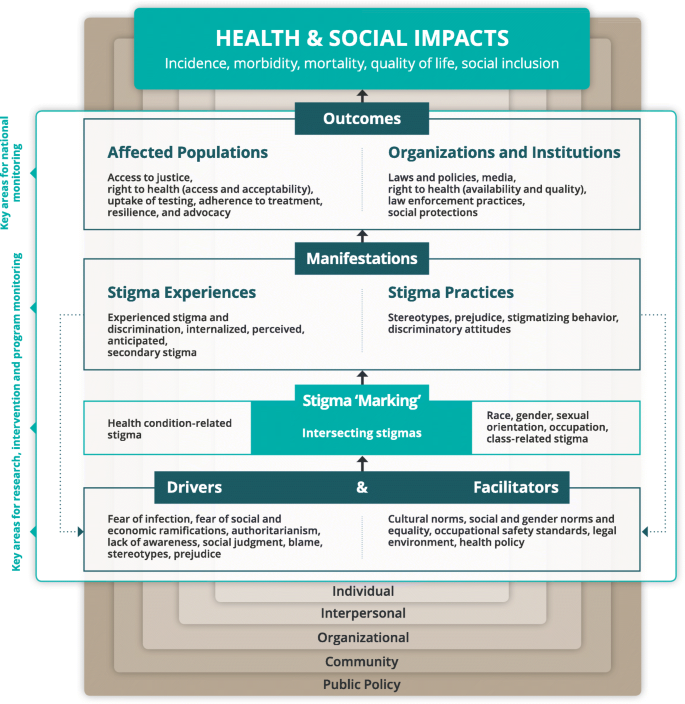
The level of understanding among the general public regarding mental health issue is bad and negative beliefs and attitudes are prevalent ( 3 ). Both are key elements of stigma. One of the most typical and damaging misperceptions is that people with schizophrenia are violent and a danger to others (how does social media affect mental health). This view has been perpetuated by misleading media reports.
A person with schizophrenia is far more likely to be the victim of violence than to be violent to another https://tysondvmw809.shutterfly.com/34 person ( 5 ). They are also more likely to be the victim of violence than an individual in the general population ( 6 ). If a person with schizophrenia ends up being aggressive this is typically associated to using excessive alcohol or street drugs which is comparable to the scenario seen with individuals who do not experience schizophrenia but end up being aggressive.
People with these conditions, and likewise anxiety and stress and anxiety, are often seen as needing to 'pull themselves together'. Such views would seldom be connected with cancer or cardiovascular disease. In truth the reason for most mental health issues, like the majority Helpful hints of physical health issue, is complicated and several threat elements contribute.